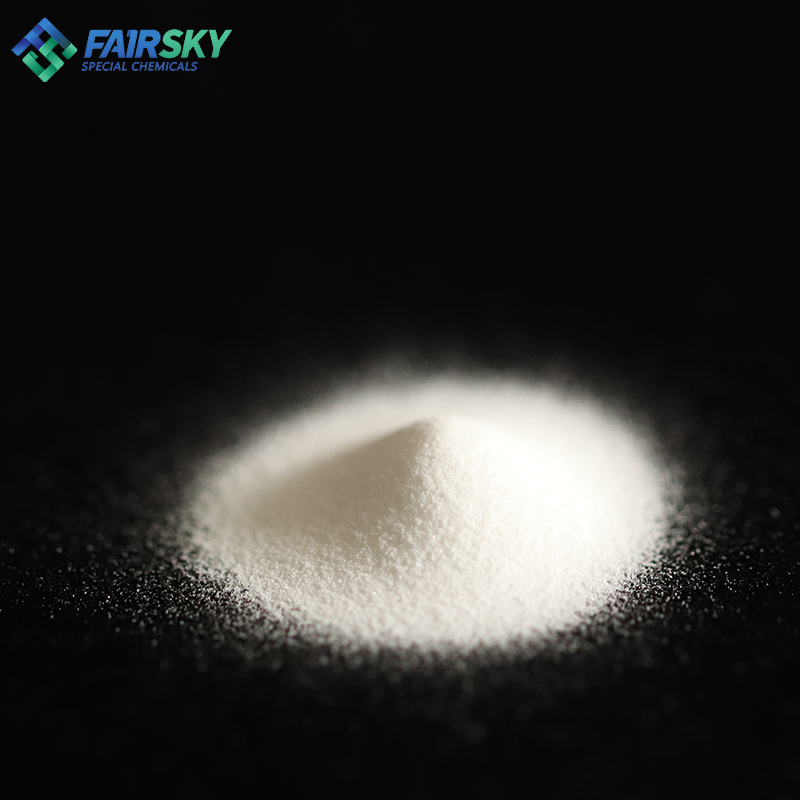
Magnesium Fluoride (MgF₂) is an important inorganic fluoride compound widely used in optical coatings, ceramics, metallurgy, and specialty chemical industries.
Known for its excellent transparency in ultraviolet and infrared regions, high thermal stability, and strong chemical resistance, magnesium fluoride plays a crucial role in precision optics and advanced material manufacturing.
This article provides a comprehensive overview of magnesium fluoride, including its physical properties, industrial functions, and major application fields, supported by FAIRSKY’s expertise in fluoride chemical supply.
Overview of Industrial Magnesium Fluoride
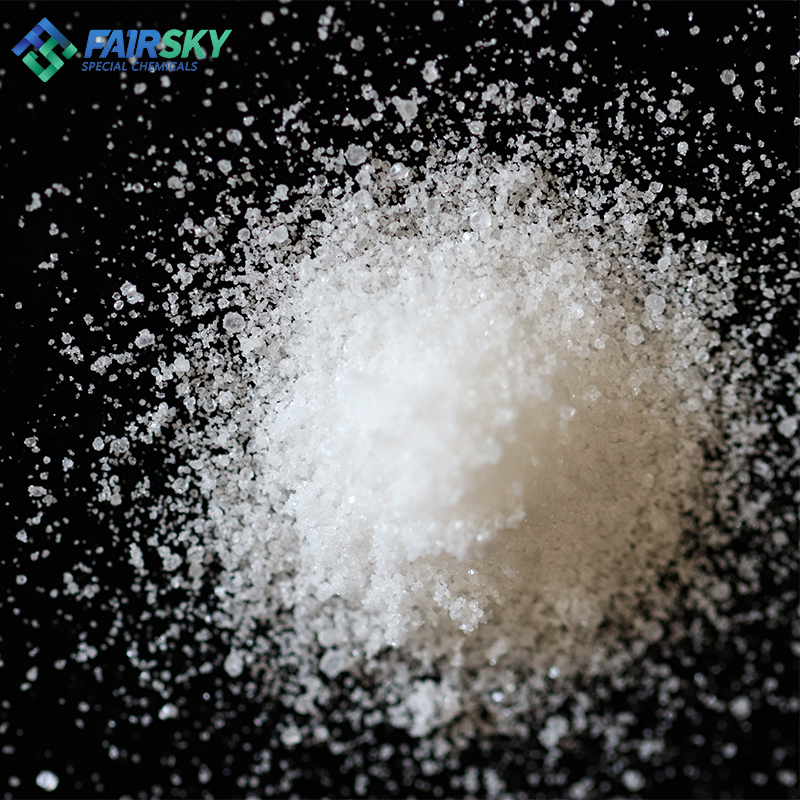
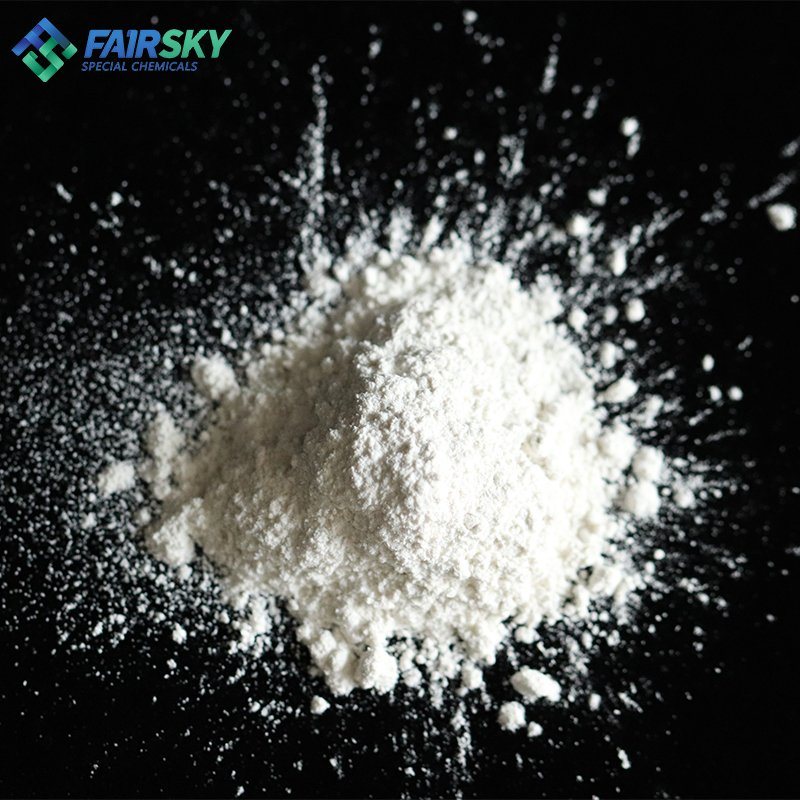
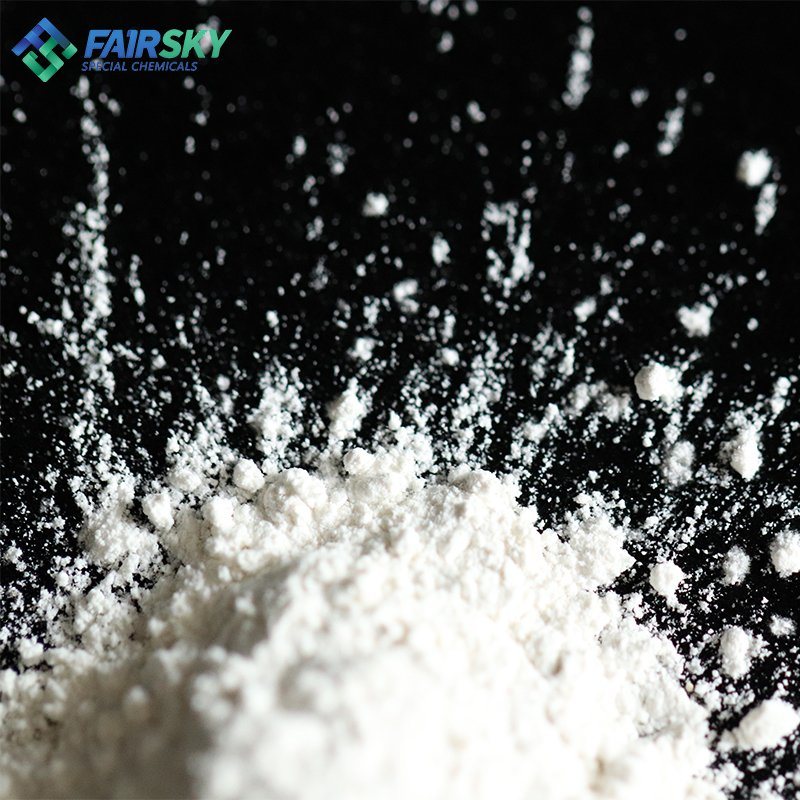
Magnesium fluoride typically appears as a white crystalline powder or solid material. It is only slightly soluble in water and exhibits excellent stability under normal environmental conditions.
Due to its low refractive index and wide transmission range, magnesium fluoride is particularly valued in optical industries. In addition, its high melting point and chemical inertness make it suitable for high-temperature and corrosive environments.
Industrial-grade magnesium fluoride is appreciated for its consistent purity, stable composition, and adaptability across various technical applications.
Product Profile – Magnesium Fluoride
The table below summarizes the standard technical information of magnesium fluoride for industrial and material applications.
Field | Description |
Product Name | Magnesium Fluoride |
Molecular Formula | MgF₂ |
CAS No. | 7783-40-6 |
Appearance | White crystalline powder |
Solubility | Slightly soluble in water |
Stability | Highly stable under normal storage conditions |
Manufacturer | FAIRSKY INDUSTRIAL CO., LIMITED |
Physical Characteristics and Material Advantages
Magnesium fluoride is well known for its outstanding optical transparency, especially in ultraviolet (UV) and infrared (IR) wavelength ranges. This makes it one of the most widely used materials for anti-reflective coatings and optical components.
It possesses a high melting point (approximately 1263°C) and excellent thermal shock resistance. Chemically, magnesium fluoride is relatively inert and resistant to most acids, except strong mineral acids under specific conditions.
These properties allow magnesium fluoride to maintain structural integrity in demanding industrial environments.
Available Grades and Technical Specifications
Magnesium fluoride can be supplied in different grades depending on end-use requirements:
Optical Grade Magnesium Fluoride
High-purity material designed for optical lenses, prisms, windows, and anti-reflective coatings. Strict impurity control ensures high transmission performance and coating stability.
Industrial Grade Magnesium Fluoride
Used in ceramics, welding fluxes, and metallurgical processes where stable fluoride content and cost efficiency are key considerations.
High-Purity / Electronic Grade
Applied in advanced material research and specialized optical systems requiring extremely low contamination levels.
The appropriate grade selection depends on purity standards, particle size distribution, and specific application needs.
Major Application Areas of Magnesium Fluoride
Optical Coatings and Precision Components
Magnesium fluoride is widely used as an anti-reflective coating material for lenses, camera optics, laser systems, and optical windows. Its low refractive index reduces surface reflection and improves light transmission efficiency.
UV and Infrared Optical Systems
Due to its broad spectral transmission range, magnesium fluoride is essential in ultraviolet and infrared optical equipment, including scientific instruments, space optics, and laser technology.
Ceramics and Metallurgical Applications
In ceramic manufacturing and metallurgical processing, magnesium fluoride can serve as a flux component, contributing to improved melting behavior and structural stability during high-temperature treatment.
Specialty Industrial Uses
Magnesium fluoride is also used in certain welding fluxes, specialty glass formulations, and chemical processes requiring stable fluoride sources with low reactivity.
Storage and Handling Guidelines
Magnesium fluoride should be stored in sealed packaging and kept in a dry, well-ventilated area. Although chemically stable, it should be protected from contamination to maintain purity standards.
During handling, appropriate personal protective equipment such as gloves and dust protection is recommended to ensure safe operation.
Conclusion
Magnesium fluoride is a high-performance inorganic fluoride compound valued for its exceptional optical properties, thermal stability, and chemical resistance. It is indispensable in precision optics, UV/IR systems, ceramics, and high-temperature industrial processes.
With extensive experience in fluoride chemical production and global supply, FAIRSKY provides reliable magnesium fluoride products with consistent specifications and professional technical support.
Looking for a dependable supplier of magnesium fluoride for optical or industrial applications? Contact FAIRSKY to request technical data, specifications, or product samples. |