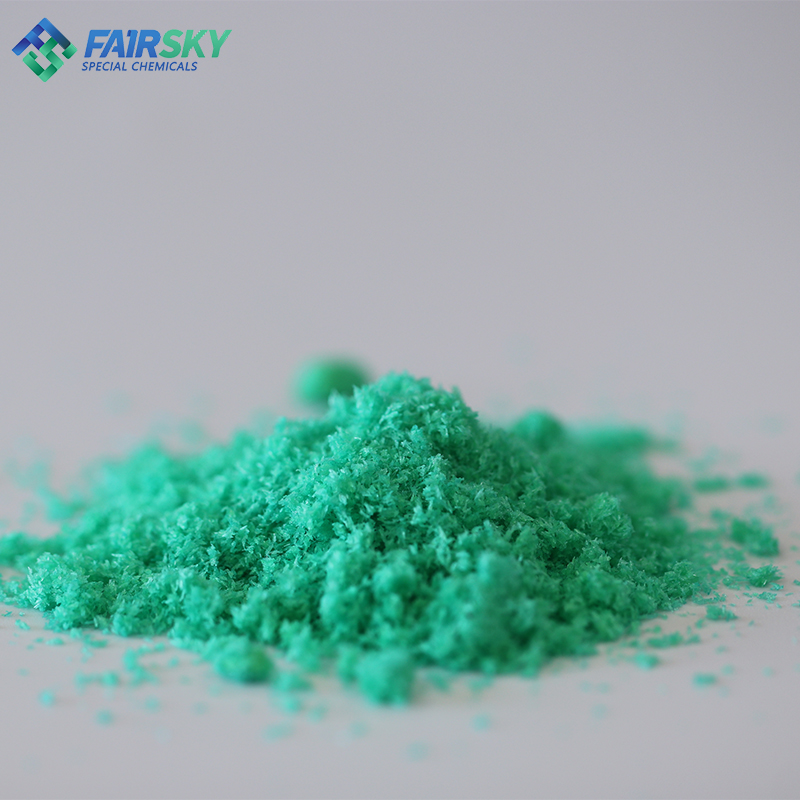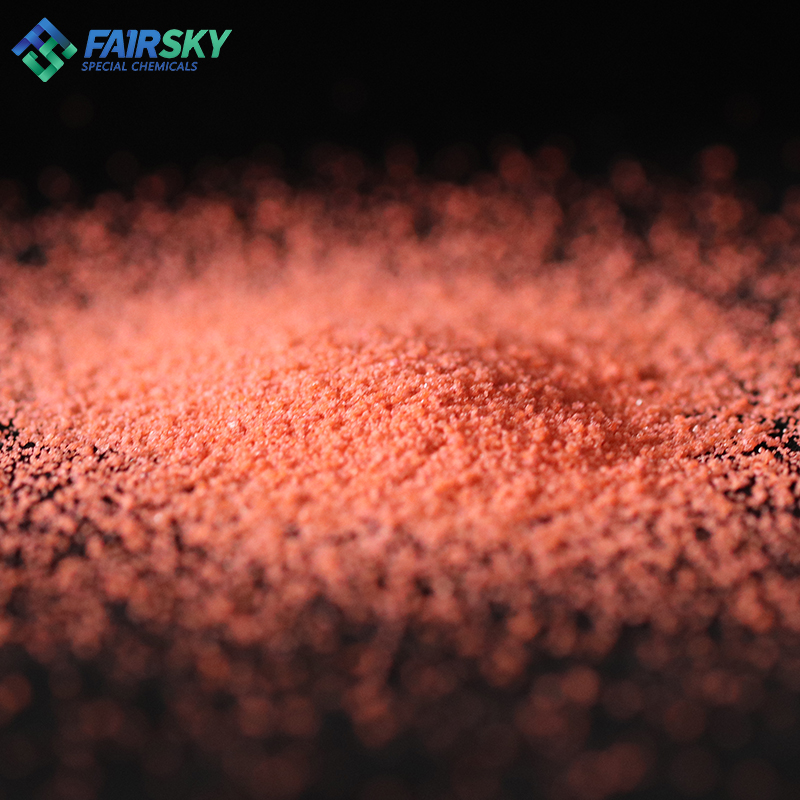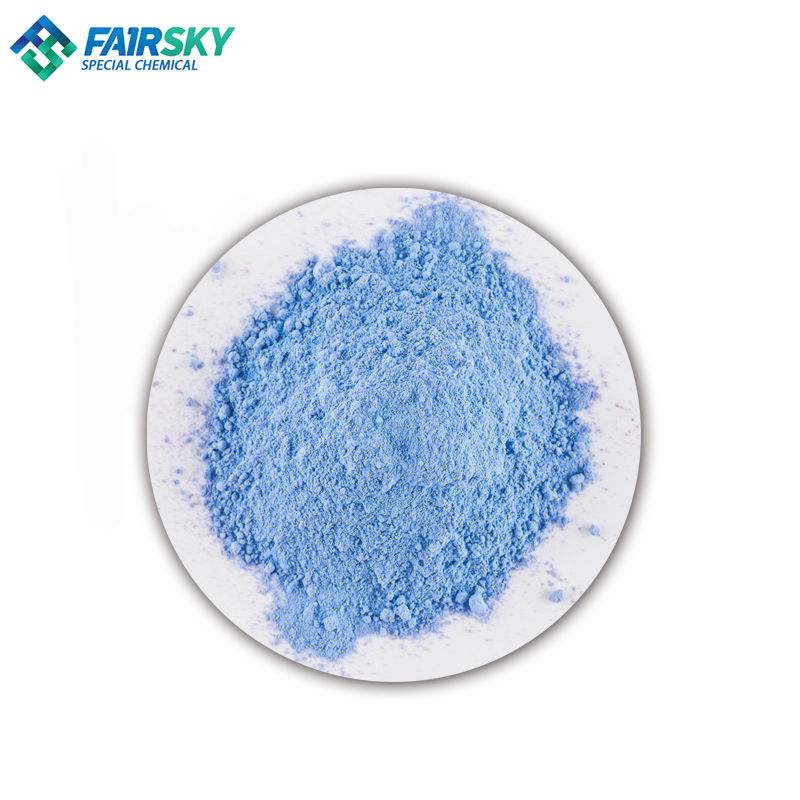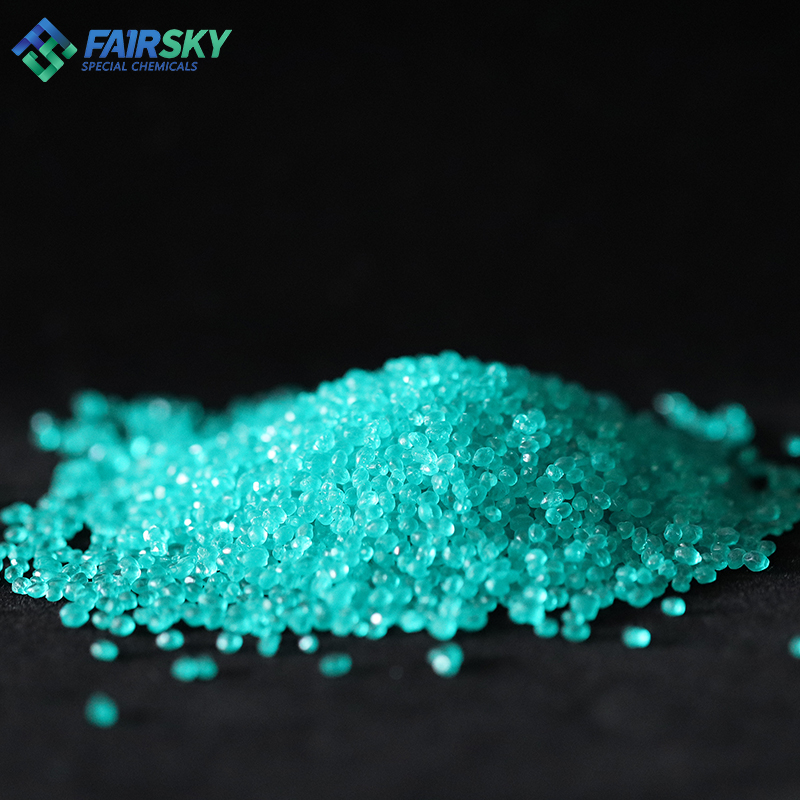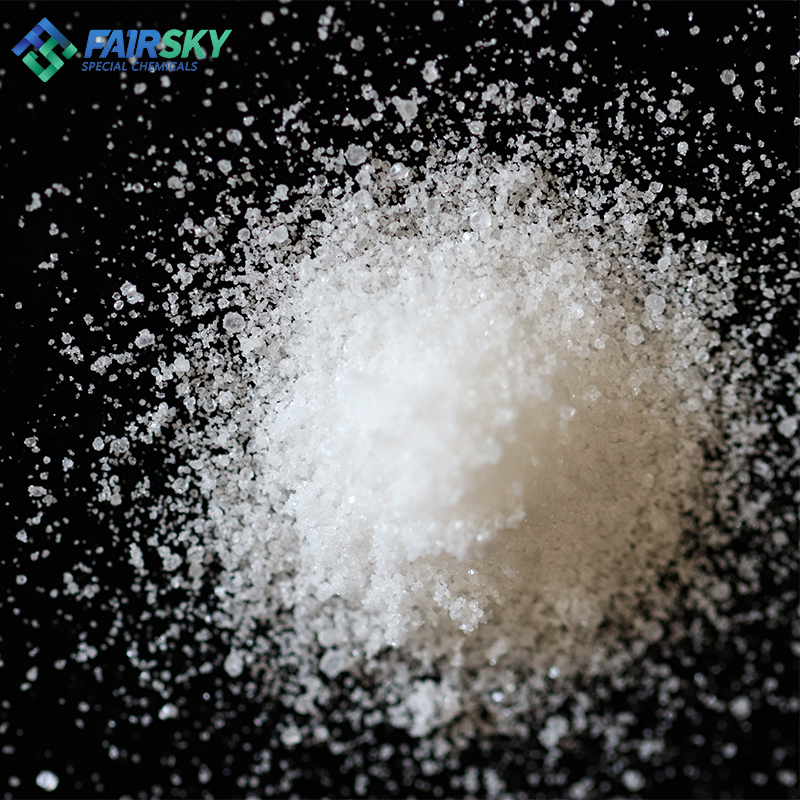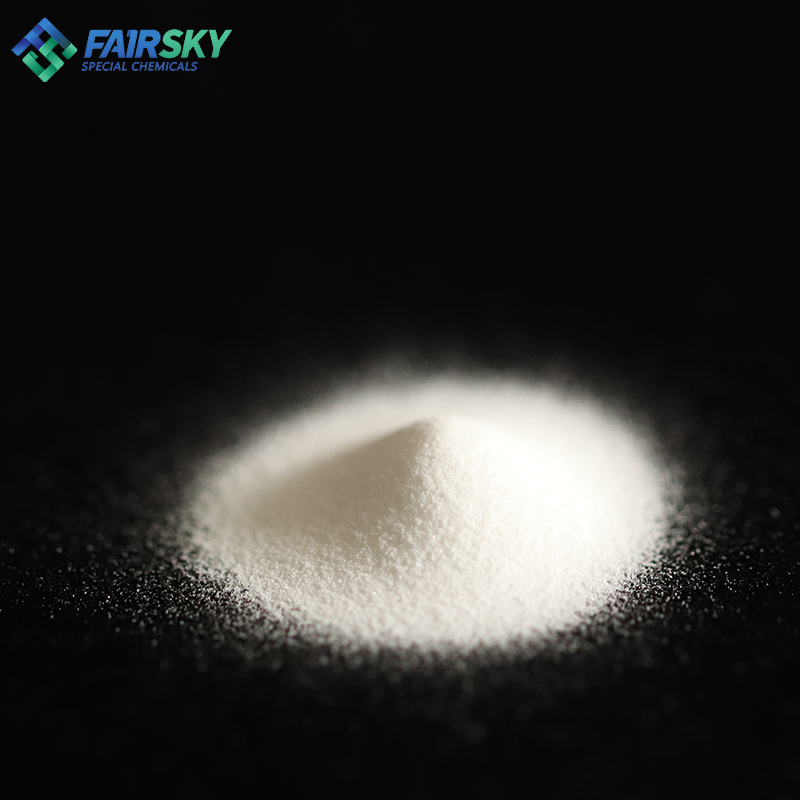
High-Purity Molybdenum Trioxide (MoO₃) is a critical industrial material widely used in catalysts, electronics, ceramics, and metallurgy.
Due to its excellent thermal stability, oxidation capability, and structural integrity, MoO₃ is an ideal molybdenum source for high-performance applications.
FAIRSKY supplies consistent, high-purity MoO₃ tailored for global industrial and research needs.
Understanding Molybdenum Trioxide: Properties and Structural Characteristics
Molybdenum Trioxide (MoO₃) is a high-purity inorganic oxide widely used as a primary molybdenum source in catalysts, electronics, pigments, metallurgy, and advanced materials. It is known for its strong oxidizing properties, excellent thermal stability, and well-defined layered crystal structure. Owing to these characteristics, MoO₃ plays a vital role in both industrial manufacturing and high-level scientific research.
Key Physical and Chemical Properties
The following table summarizes the key specifications of molybdenum trioxide (MoO₃) for industrial and chemical applications, including catalysts, advanced materials, ceramics, and metallurgical processes.
Field | Description |
Product Name | Molybdenum Trioxide |
Molecular Formula | MoO₃ |
CAS No. | 1313-27-5 |
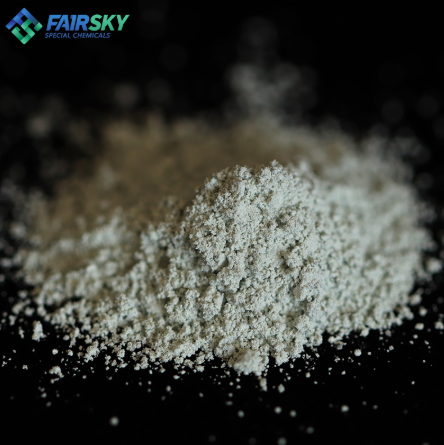
Appearance | White to pale yellow crystalline powder |
Specification | MoO₃≥99.5% |
Main Applications | Used in catalysts, petroleum refining, ceramics and glass, pigments, metallurgy, electronic materials, and chemical synthesis |
Manufacturer | FAIRSKY INDUSTRIAL CO., LIMITED |
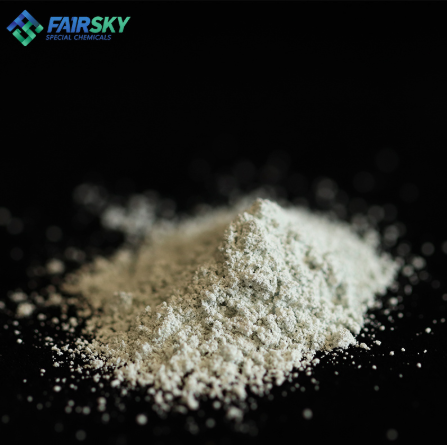
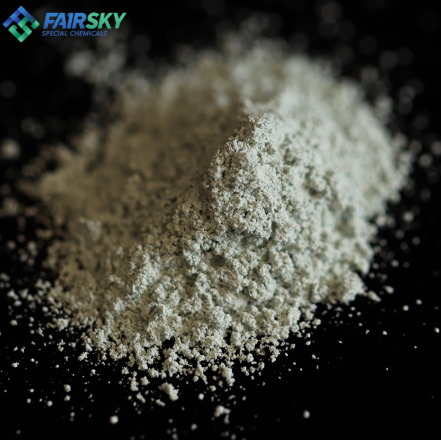
Thermal Behavior and Reactivity
Molybdenum Trioxide exhibits excellent thermal stability and can sublime at elevated temperatures. Under reducing conditions, MoO₃ can be converted into lower-valence molybdenum oxides or metallic molybdenum. This controllable transformation makes MoO₃ an ideal precursor for molybdenum-based catalysts, electronic materials, and functional coatings.
Major Applications of Molybdenum Trioxide
Due to its high purity, strong oxidation capability, and structural stability, MoO₃ is widely used across a broad range of industries.
Catalysts and Chemical Processing
MoO₃ is one of the most important raw materials for producing molybdenum-based catalysts. It is extensively used in petroleum refining, selective oxidation reactions, hydrodesulfurization, and environmental catalysis. Catalysts derived from MoO₃ offer high activity, excellent selectivity, and long service life, making them indispensable in modern chemical processing and clean energy technologies.
Electronics and Semiconductor Materials
In the electronics industry, Molybdenum Trioxide is used as a functional material in thin-film transistors, organic electronics, displays, and photovoltaic devices. Its unique electronic structure enables efficient charge transport and energy-level alignment, making it suitable for applications such as hole-injection layers and transparent electronic components.
Pigments, Ceramics, and Glass
MoO₃ is widely applied in the production of molybdenum-based pigments and ceramic colorants. It enhances color brightness, thermal stability, and chemical resistance in ceramic glazes, enamels, and specialty glass. Its high-temperature stability ensures consistent performance during firing and melting processes.
Metallurgy and Alloy Production
In metallurgy, MoO₃ serves as a key intermediate for producing metallic molybdenum and molybdenum alloys. These materials are essential in steelmaking and high-temperature alloys, where they significantly improve strength, corrosion resistance, and thermal performance.
Frequently Asked Questions About Molybdenum Trioxide (MoO₃)
Q1: What is high-purity Molybdenum Trioxide used for?
A: High-purity MoO₃ is mainly used in catalysts, electronic materials, pigments, ceramics, and molybdenum alloy production, where precise composition and stability are critical.
Q2: Why is MoO₃ preferred as a molybdenum source in catalysts?
A: MoO₃ offers controlled reducibility, high oxidation activity, and excellent thermal stability, making it an ideal precursor for molybdenum-based catalysts.
Q3: How does FAIRSKY ensure MoO₃ quality and consistency?
A: FAIRSKY implements strict quality control, optimized production processes, and application-oriented specifications to ensure stable purity and performance.
FAIRSKY Quality, Storage, and Supply Information
As an experienced manufacturer and global supplier of molybdenum chemicals, FAIRSKY provides high-purity Molybdenum Trioxide with consistent quality, reliable supply, and application-oriented technical support for catalysts, electronics, ceramics, and metallurgy.
l Storage: Store in a cool, dry, and well-ventilated place. Keep the package tightly sealed to prevent moisture absorption and contamination.
l Packing: Standard packaging is 25kg bags or drums. (Customized packaging options are available upon request to meet specific customer requirements.)
Experience FAIRSKY Quality: Request a free MoO₃ sample, technical data sheet, or application consultation from FAIRSKY’s professional team. In addition to Molybdenum Trioxide, FAIRSKY supplies high-purity molybdenum salts and customized inorganic materials for catalysts, electronics, ceramics and metallurgy. Contact our professional team today to request a free sample and product specifications tailored to your application. |