Nickel oxide is an important inorganic nickel compound widely used in batteries, ceramics, catalysts, electronic materials, and advanced functional materials.
In many industrial and material science applications, nickel oxide serves as a key precursor or functional additive due to its excellent thermal stability, semiconductor properties, and controllable purity and particle size.
This article provides a structured overview of industrial-grade nickel oxide, including its basic properties, application areas, and quality considerations, based on FAIRSKY’s long-term experience in nickel chemical manufacturing.
Overview of Industrial-Grade Nickel Oxide
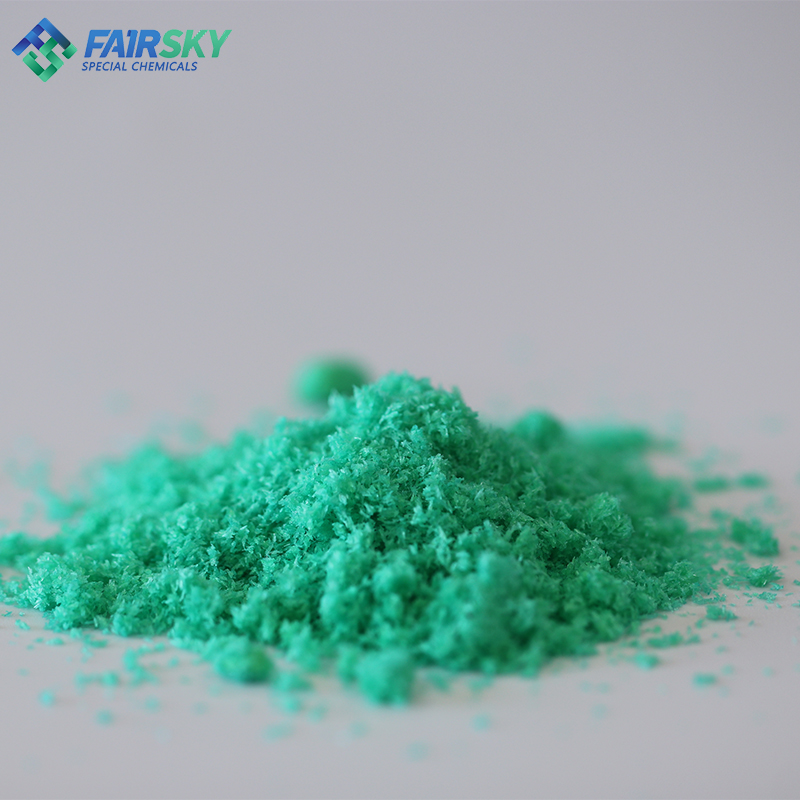
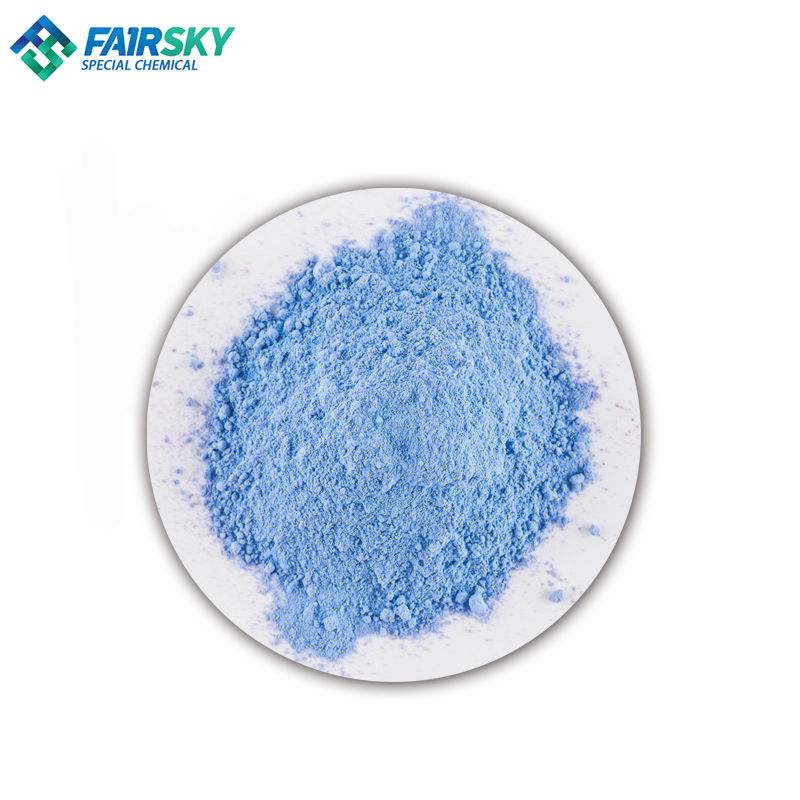
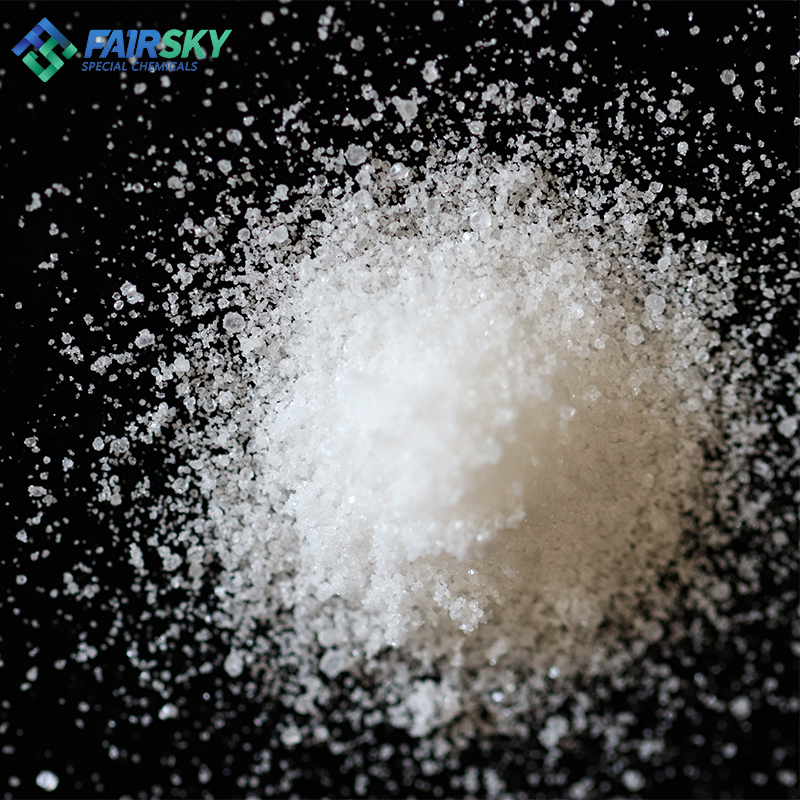
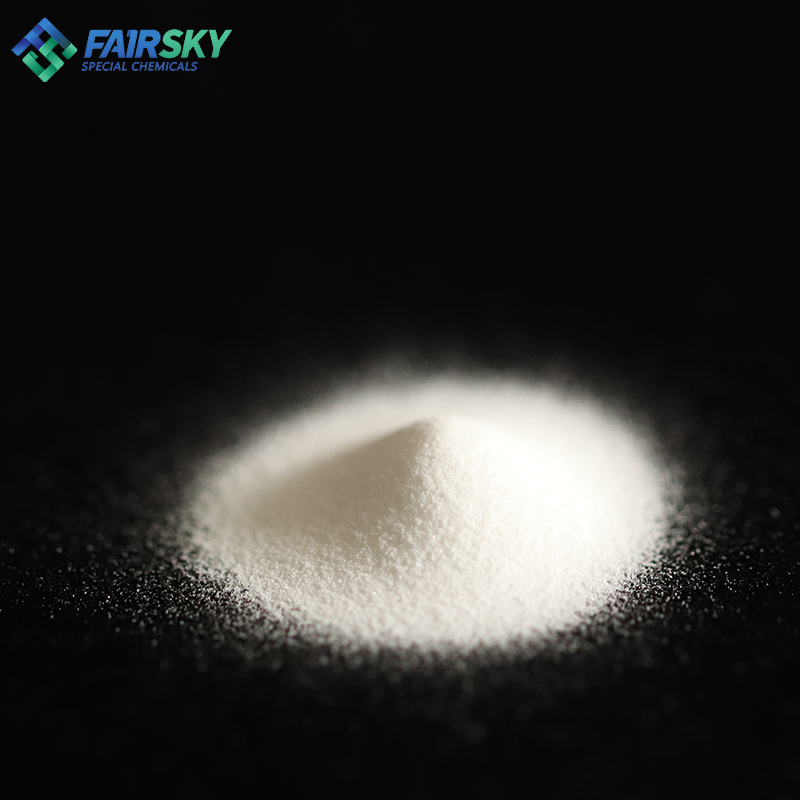
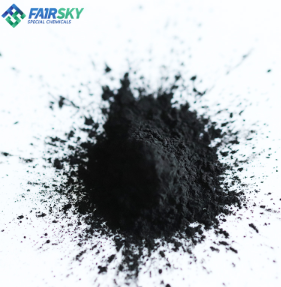
Nickel oxide, also known as Nickel(II) Oxide or NiO, is typically supplied as a black or green powder, depending on its purity, particle size, and crystallinity.
Industrial-grade nickel oxide exhibits good chemical stability and is insoluble in water, while remaining soluble in strong acids and certain ammonium salt solutions. These characteristics make it suitable for high-temperature processing, electrochemical applications, and ceramic systems.
Product Basic Information – Nickel Oxide
The following table summarizes the key specifications of Nickel Oxide for industrial and chemical applications.
Field | Description |
Product Name | Nickel Oxide |
Molecular Formula | NiO |
CAS No. | 1313-99-1 |
Appearance | Black or green powder |
Solubility | Insoluble in water; soluble in acids and ammonium salt solutions |
Stability | Stable under normal storage conditions |
Manufacturer | FAIRSKY INDUSTRIAL CO., LIMITED |

Key Physical and Chemical Properties of Nickel Oxide
Nickel oxide possesses excellent thermal and chemical stability, with a high melting point of approximately 1955°C. It remains stable in air under normal conditions and does not dissolve in water.
From a materials science perspective, NiO is a typical p-type semiconductor. It is transparent to visible light but responsive to ultraviolet radiation, making it suitable for optical and electronic applications.
Below its Néel temperature (approximately 523 K), nickel oxide exhibits antiferromagnetic behavior, which makes it a fundamental material for magnetic research and functional ceramics.
Grades and Industrial Classifications of Nickel Oxide
Depending on application requirements, nickel oxide can be supplied in several grades:
Industrial Grade Nickel Oxide
Mainly used in metallurgy, ceramic glazes, and pigments, where requirements for purity and particle size are relatively flexible. Color tone and nickel content can be customized based on customer demand.
Battery Grade Nickel Oxide
High-purity nickel oxide with strict control of impurity elements, commonly used as a precursor for lithium-ion battery electrode materials and nickel-based battery systems.
Electronic Grade Nickel Oxide
Ultra-high-purity material (≥99.9%), suitable for functional thin films, sensors, and electronic components.
Nano Nickel Oxide
Particle sizes ranging from 1–100 nm, featuring high specific surface area and enhanced catalytic, sensing, and electrochemical performance.
Major Application Areas of Nickel Oxide
New Energy Batteries and Energy Storage
Nickel oxide is widely used as a precursor or component in nickel-based batteries, including nickel-cadmium and nickel-metal hydride batteries. It is also applied in lithium-ion battery systems as a raw material for nickel-containing electrode compounds.
Ceramics, Pigments, and Glass
In ceramic glazes and glass manufacturing, nickel oxide acts as a stable colorant, producing green, brown, or black shades depending on formulation and firing conditions. It also functions as a ceramic additive to improve sintering behavior and microstructure control.
Electronic and Functional Materials
Nickel oxide thin films are important p-type materials in electrochromic devices, such as smart windows and anti-glare mirrors. These films enable reversible color changes under applied voltage, supporting advanced optical applications.
Catalysts and Chemical Processing
Due to its high surface activity and thermal resistance, nickel oxide is used in various catalytic systems, including environmental catalysis and chemical synthesis reactions.
Handling, Storage, and Safety Considerations
Nickel oxide should be handled in a well-ventilated environment. Operators are advised to wear appropriate personal protective equipment, such as dust masks, gloves, and protective eyewear.
The product should be stored in sealed containers, kept in a cool, dry, and well-ventilated area, and protected from moisture and incompatible substances.
Conclusion
Nickel oxide (NiO) is a versatile and indispensable functional material across traditional industries and advanced technology sectors, including energy storage, ceramics, electronics, and catalysis.
With deep expertise in nickel chemistry and strict quality control systems, FAIRSKY supplies stable, customizable nickel oxide products tailored to different industrial needs, supporting customers in achieving reliable performance and long-term production stability.
Looking for a reliable supplier of nickel oxide for industrial or advanced material applications? Contact FAIRSKY to request technical information, customized specifications, or product samples. |